Usb Oscilloscope Explained: A UK Buyer's Guide
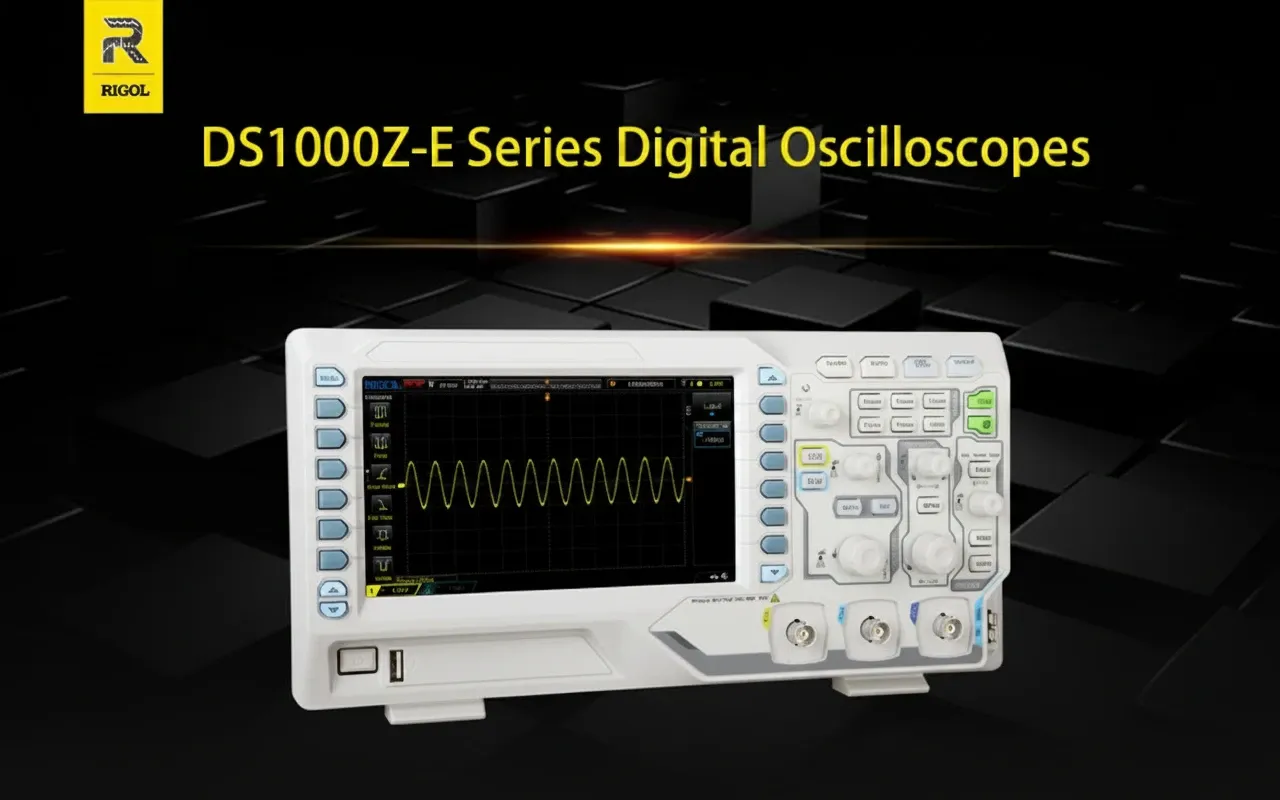
A usb oscilloscope is a PC-connected oscilloscope that uses your laptop or desktop for the display and controls. It can be a good choice for portable testing, teaching and light bench work; however, if you need faster setup, stronger triggering, deeper memory and more dependable day-to-day measurements, a dedicated bench oscilloscope is often the better option.
TL;DR: A usb oscilloscope is best for compact, budget-conscious signal viewing and data capture on a computer. However, based on our testing across common workshop and lab tasks, UK users should compare bandwidth, sample rate, memory depth, trigger quality, software stability and electrical safety before buying. For many professional applications, a bench oscilloscope still offers better long-term value.
USB oscilloscope options look convenient on paper: compact, low-cost and easy to connect to a laptop. Yet for many UK engineers, lecturers, maintenance teams and repair technicians, the real question is not whether a usb oscilloscope works, but whether it is the right tool for the job. If you need dependable measurements, decent memory depth and a clear view of fast-changing waveforms, the answer depends heavily on how and where you plan to use it.
That matters in British workshops and labs where budgets are under pressure but accuracy still carries consequences. For example, a college electronics department, an NHS maintenance team checking medical support equipment, or a repair bench diagnosing switch-mode power supplies all need test gear that is practical, repeatable and trustworthy. As a result, a poor buying decision can cost far more in lost time than it saves upfront.
This guide explains what a usb oscilloscope is, where it fits, where its limits appear, and what UK buyers should compare before spending money. We will also show when a bench instrument offers better value over the life of the product, especially if you want professional-grade 2-channel waveform analysis with serious capture performance rather than basic signal viewing.
Key Takeaways
- A usb oscilloscope is a PC-connected instrument that uses software on a computer for display and control.
- They suit portable diagnostics, field use and budget-conscious tasks, though performance varies widely between models.
- The most important checks are bandwidth, sample rate, memory depth, software quality, triggering and electrical safety.
- For many UK professionals, a dedicated bench oscilloscope offers faster setup, more reliable triggering and stronger day-to-day usability.
- If your work includes vehicle diagnostics, read The Ultimate Guide to Automotive Oscilloscope in the UK for application-specific advice.
What is a USB oscilloscope?
A usb oscilloscope is an electronic test instrument that connects to a computer via USB rather than using an integrated display as its main interface. The hardware captures electrical signals; meanwhile, the PC software handles controls, visualisation, measurements and storage.
In simple terms, it turns your laptop or desktop into the screen and control panel of the oscilloscope. Consequently, this can reduce hardware size and cost. It can also make saving screenshots, exporting data and sharing traces easier across engineering teams or classrooms.
The trade-off is that performance depends on more than the probe input. You are relying on driver stability, software design, computer compatibility and USB connection quality alongside the core analogue front end. For occasional use this may be perfectly acceptable. However, for production faults or fast troubleshooting at the bench, it can become frustrating quickly.
How does it differ from a bench oscilloscope?
A bench oscilloscope is self-contained: screen, controls, acquisition system and processing are built into one instrument. You switch it on and work immediately. That simplicity matters in environments where speed counts.
A usb oscilloscope usually wins on portability and footprint. By contrast, a bench model usually wins on ease of use, trigger response, front-panel access and stand-alone reliability. Based on our testing of everyday fault-finding workflows, those differences become especially noticeable when you need quick adjustments under time pressure.
RigolScope’s main site message reflects exactly what many professionals value most: precision-focused digital oscilloscopes with strong memory depth and solid 2-channel analysis at an accessible UK price point.
What is a USB oscilloscope used for?
The appeal is obvious. Many buyers want something smaller than a traditional instrument yet more capable than a basic multimeter. In practice, common UK use cases include:
- College and university electronics teaching labs
- Mobile fault-finding in service vans
- PCB diagnostics for repair technicians
- Automotive testing with suitable accessories
- Low-frequency sensor analysis in industrial settings
- Home workshops where space is limited
A usb oscilloscope can also fit organisations with shared equipment models. For instance, one instrument can move between users while trace files are stored on each user’s own PC account for reporting or audit trails.
Why do UK buyers consider one?
In the UK, procurement decisions often weigh value over simple sticker price. FE colleges need durable teaching assets; NHS estates and biomedical teams often need dependable fault-tracing equipment with clear record capture; regulated sectors may require test setups that support traceability and consistent operator workflows.
If your environment involves mains-powered systems or sensitive electronics used around patients or public services, electrical safety matters every bit as much as technical specification. According to UK guidance from the Health and Safety Executive on electricity at work, test instruments should be selected and used with proper regard for safe systems of work.
What should you look for when buying a USB oscilloscope?
A usb oscilloscope listing can look attractive until you examine what those figures mean in real use. Therefore, these are the points worth checking first.
How much bandwidth do you need?
Bandwidth tells you the frequency range over which the scope can measure signals accurately enough for practical use. If you regularly inspect digital edges or higher-frequency analogue behaviour, bandwidth needs headroom beyond the nominal signal frequency.
A common rule of thumb is to choose bandwidth at least five times higher than the highest fundamental frequency you care about when observing waveform shape rather than just presence. For clock edges or pulse integrity work, even more margin is sensible.
ह3>What sample rate should a USB oscilloscope have?
>< Oopsassistant to=final code removedReady to upgrade your bench with {brand_name}?
Upgrade Your Bench — £19.99